French Bulldog Back Problems: What Owners Should Watch For
Please see your vet. This guide is general education, not a diagnosis or treatment plan. If your Frenchie seems unwell, call your veterinarian. If it looks like an emergency, go to an emergency vet right away.
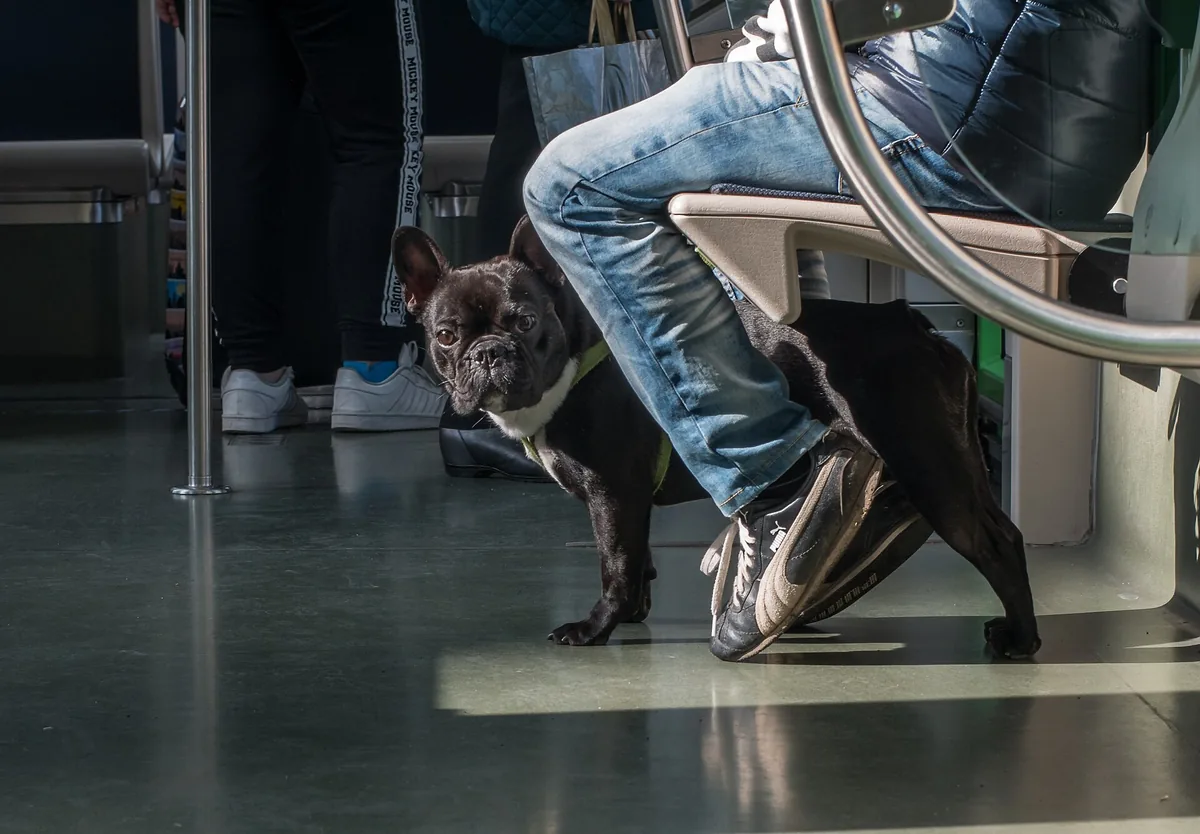
Photo: Basotxerri via Wikimedia Commons, CC BY-SA 4.0
🐾 Getting ready for a puppy? Try the interactive French Bulldog puppy checklist — free, no email required.
French Bulldogs are compact athletes with a short, strong back on the breed standard—and they appear on veterinary lists of breeds that deal with intervertebral disc disease (IVDD). Knowing the red flags matters more than guessing online.
Any new back pain, knuckling or hind-end weakness deserves a prompt veterinary exam. This guide cannot diagnose your dog.
Breed build and disc disease
The AKC standard describes a muscular, heavy-boned dog with a short back and a roach topline. VCA’s disc-disease overview lists French bulldogs among breeds with a high incidence of degenerative disc disease. Degeneration can be slow, yet rupture may follow a minor fall or relatively small jump. Some dogs go from walking to paralysis in under an hour.
VCA’s cervical IVDD page notes that obesity and repeated traumatic events may enhance risk in predisposed breeds, and that long-backed, short-legged types show faster disc deterioration in some contexts. Keep your Frenchie lean (obesity guidance; our feeding guide).
Everyday habits that reduce impact
Cornell advises keeping dogs trim and fit, minimizing stairs and furniture or deck jumps, preferring walking over leaping for toys, and calling the vet at the first sign of back discomfort.
| Habit | Why it helps |
|---|---|
| Non-slip rugs | Fewer splaying slips |
| Ramp or lift into cars/sofas | Avoids repeated jump-downs |
| Measured meals | Supports a lean body condition |
| Calm stair manners | Limits unsupervised racing |
Emergency signs
Seek emergency care for:
- Crying when touched or reluctant to move the neck/back
- Arched or rigidly held posture
- Wobbly gait, knuckling or dragging hind legs
- Sudden inability to stand
- Loss of bladder or bowel control
VCA stages disease from mild pain through paralysis with loss of feeling and stresses rapid specialist care for severe stages. Cornell likewise says not to delay when surgery is recommended.
Never give ibuprofen, naproxen or acetaminophen. Get veterinary pain control instead.
After the crisis—or before one
Mild stiffness still deserves a same-week appointment. Your vet may recommend rest, imaging or referral. Keep a weight journal so body condition trends are clear at rechecks.
A Frenchie that suddenly goes quiet, hides or refuses stairs is communicating. Listen with a phone call to your clinic, not a wait-and-see scroll.
Frequently asked questions
Are French Bulldogs prone to back problems?
French Bulldogs are a compact, heavy-boned breed with a short back per the AKC standard. VCA lists French bulldogs among breeds with a high incidence of degenerative disc disease, and notes that rupture may follow a minor fall or small jump when discs are already degenerating. Ask your vet how that risk applies to your dog.
Should I stop my Frenchie from using stairs?
Cornell's canine health center recommends minimizing stairs and furniture jumps to reduce spinal-injury odds. How much restriction your dog needs depends on age, weight and history—ask your veterinarian rather than following a rigid internet rule.
What are emergency back signs?
Cry-out pain, a rigidly held back, wobbly rear gait, knuckling, dragging legs, sudden paralysis or loss of bladder control need emergency veterinary care. VCA notes some dogs go from walking to paralysis in less than an hour.
Can I give human pain medicine for a sore back?
No. Human pain relievers can be toxic to dogs and can complicate emergency treatment. Call your vet or an emergency clinic instead.
A quick note: this guide is general information from published sources, written by dog lovers, not a veterinarian. Your own vet knows your dog's history, so check with them before changing food, exercise or treatment.
Sources
Keep reading


French Bulldog Weight by Age: Adult Size and Healthy Growth
How big do French Bulldogs get? Adult weight from the AKC breed standard, plus how to track a puppy's growth with your vet instead of chasing a monthly chart.
How Much Should You Feed a French Bulldog? A Vet-Friendly Guide to Portions
How much to feed a French Bulldog depends on calories, body condition and vet advice—keep them lean to protect breathing, joints and comfort.