Home › Training, Behavior & Exercise
French Bulldog Heat Safety and Exercise: A Vet-Aware Guide
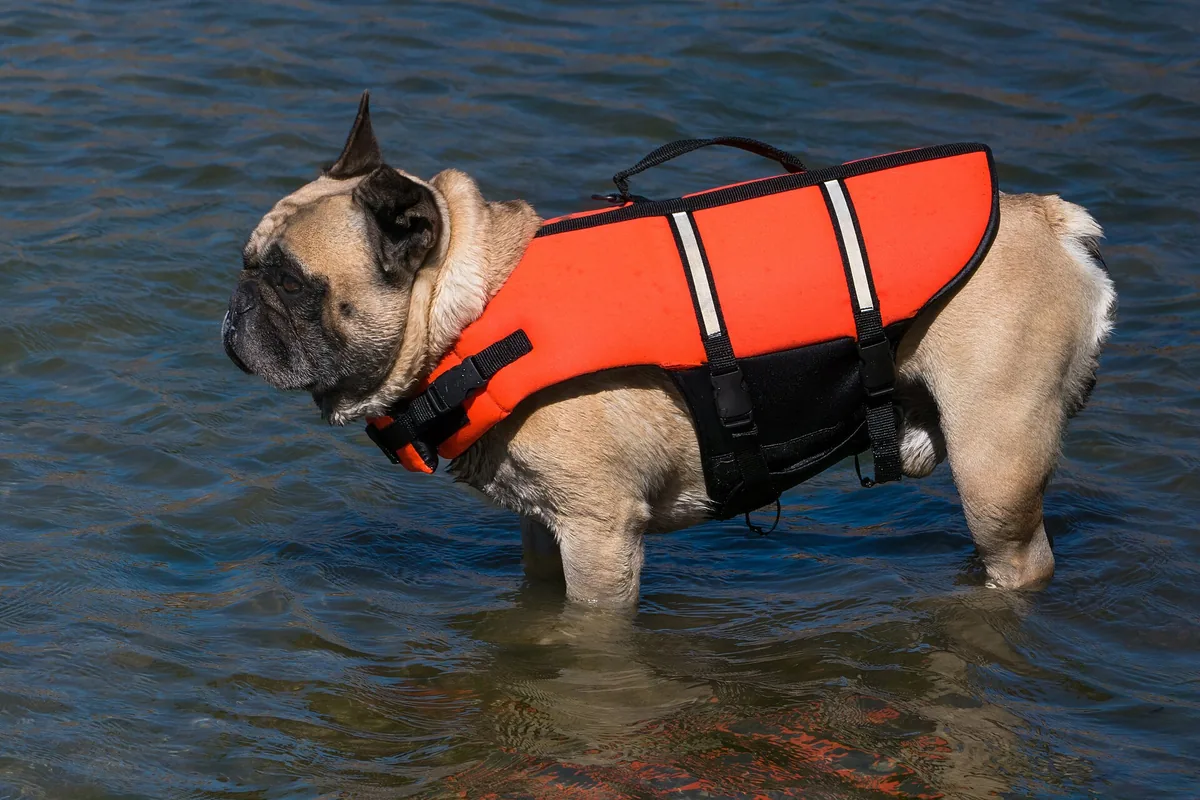
Photo: W.carter via Wikimedia Commons, CC0
French Bulldogs are wonderful city companions, but their short noses make heat and hard exercise riskier than for many longer-muzzled breeds. This guide pulls together what veterinary sources say about heat stroke, why brachycephalic dogs struggle to cool, and how to plan safer activity with your veterinarian. It is general education—not a fitness plan for your dog.
How dogs cool—and why flat faces change the math
VCA Animal Hospitals explains that dogs have relatively few sweat glands (mainly in the footpads) and rely primarily on panting to regulate body temperature. When panting is less efficient—because the airway is crowded—cooling suffers.
VCA states that dogs with a restricted airway, such as brachycephalic breeds (flat-faced dogs such as pugs, boxers and bulldogs), are at even greater risk of heat stroke. In these breeds, clinical signs can appear when outdoor temperature and humidity are only moderately elevated. ACVS likewise notes that exercise intolerance and collapse are more common after over-activity, excitement, or excessive heat or humidity, and that obesity makes problems worse.
ACVS notes that exercise intolerance, cyanosis and collapse are common after over-activity, excitement, or excessive heat or humidity, and that obesity aggravates the problems. They still need activity—but overexertion in heat is the danger zone.
Heat stroke thresholds (why speed matters)
VCA defines abnormal body temperature (hyperthermia) above 103°F (39.4°C). Temperatures above 106°F (41°C) without prior illness are commonly associated with environmental heat and often called heat stroke. Multiple organ failure and impending death are associated with roughly 107°F to 109°F (41.2°C to 42.7°C). Those numbers are clinical context for why heat stroke is an emergency—not a DIY thermometer project. If you suspect heat stroke, cool safely and get veterinary help immediately.
Plan exercise around the weather
Practical themes that appear across veterinary and brachycephalic working-group guidance:
- Prefer early morning or late evening walks in warm seasons.
- Keep sessions short and watch breathing effort, not just distance.
- Provide shade and fresh water.
- Skip or sharply reduce exercise during heat waves, midday sun and high humidity (UK Brachycephalic Working Group consensus PDF).
- Consider a walking harness rather than pressure on the neck; the UK BWG notes that collar pressure can worsen breathing difficulty and impair panting-related cooling.
- Keep your dog at a healthy body condition—extra fat makes cooling and breathing harder.
Never leave a dog in a parked car. VCA identifies poorly ventilated cars as a leading cause of rapid, dangerous temperature rise.
Warning signs
VCA lists elevated breathing rates, dry or sticky gums, abnormal gum color, bruising in the gums, lethargy, disorientation and seizures among heat-stroke signs. Combine that with ACVS airway signs—noisy breathing, gagging, cyanosis, collapse—and you have a clear rule: when in doubt, stop, cool and call a vet.
Safe cooling while you head to care
VCA guidance for immediate cooling includes pouring cool (not cold) water over the head, stomach, armpits and feet. Do not cover the dog with wet cloths in a way that blocks evaporative cooling. VCA no longer recommends ice packs or rubbing alcohol. Transport to a veterinary hospital remains essential, because organ damage can continue after the temperature comes down, and pets that have had heat stroke may be more vulnerable later.
Vet tip: If your Frenchie collapses, can’t catch their breath, or has blue/pale gums, treat it as an emergency. Call an emergency clinic on the way if you can.
Exercise ideas that respect the breed
Ask your veterinarian what fits your dog’s airway grade, age and fitness. Many Frenchie households do better with:
- Short sniffy walks in cool weather
- Indoor play and training games
- Puzzle feeders and scent work
- Carefully supervised water time for dogs that enjoy it (ability varies; use a well-fitted life jacket if your vet or trainer recommends one)
Pair heat planning with airway awareness from our BOAS guide and body-condition habits from our weight guide.
When to call your veterinarian
Call your vet before starting a new exercise routine if your Frenchie already snores heavily, tires quickly or has known airway disease. Call promptly for heat-related lethargy, gum-color changes or breathing that looks worse than usual. Seek emergency care for collapse, seizures or severe distress. Only a veterinarian who has examined your dog can set personal limits.
Frequently asked questions
Why do French Bulldogs overheat so easily?
Dogs cool mainly by panting. VCA explains that brachycephalic (flat-faced) breeds have a restricted airway and are at greater risk of heat stroke, sometimes even when temperature and humidity are only moderately elevated. Discuss your own dog's limits with your veterinarian.
When should I walk my French Bulldog in warm weather?
Choose the coolest parts of the day, keep sessions short, provide shade and water, and watch breathing effort. The UK Brachycephalic Working Group advises avoiding or reducing exercise in the hottest part of the day, during heat waves, and in direct sun or warm humid conditions.
What are early signs of heat stroke in dogs?
VCA lists elevated breathing rates, dry or sticky gums, abnormal gum color, lethargy, disorientation and seizures among signs of heat stroke. Difficulty breathing, collapse or blue gums are emergencies—cool safely and get veterinary care right away.
Is ice water a good way to cool an overheated dog?
VCA advises cool water—not cold—on the head, stomach, armpits and feet, and no longer recommends ice packs or rubbing alcohol. Start toward veterinary care while you cool. Follow the instructions of a veterinarian or emergency clinic for your dog.
Is swimming good exercise for French Bulldogs?
Some Frenchies enjoy water, but swimming ability varies and water safety still matters. Heat and airway limits still apply on the shore. Ask your vet what exercise types suit your dog's breathing and fitness.
A quick note: this guide is general information from published sources, written by dog lovers, not a veterinarian. Your own vet knows your dog's history, so check with them before changing food, exercise or treatment.
Sources
Keep reading
BOAS and Breathing Problems in French Bulldogs: What Owners Should Know
What brachycephalic obstructive airway syndrome (BOAS) means for French Bulldogs, signs to watch for, and when to call your veterinarian—based on ACVS and Cambridge research.

French Bulldog Weight by Age: Adult Size and Healthy Growth
How big do French Bulldogs get? Adult weight from the AKC breed standard, plus how to track a puppy's growth with your vet instead of chasing a monthly chart.