Choosing a French Bulldog Puppy: Health Questions to Ask

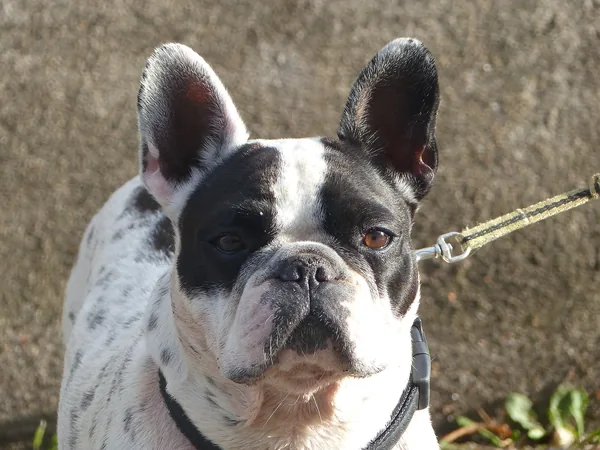
Photo: Maria Tsveshko via Wikimedia Commons, CC BY-SA 4.0
Choosing a French Bulldog puppy should feel exciting—and grounded. Short noses are part of the breed, so breathing and structure deserve calm, specific questions. This guide stays educational: no breeder rankings, no prices and no shaming—just sourced questions you can take to a conversation.
Start with breed realities
The AKC French Bulldog page and standard describe a compact companion with bat ears and a short muzzle; adults must not exceed 28 pounds in the standard. ACVS explains how short-headed conformation can narrow the airway. Not every Frenchie is severely affected, which is exactly why screening conversations matter.
BOAS grading—facts from the schemes
The University of Cambridge recognition and diagnosis page describes a functional grading system using clinical signs before and after a short exercise test. Grades 0 and I are considered clinically unaffected; Grades II and III are considered clinically BOAS-affected and may need management or treatment.
The Kennel Club / Cambridge RFG leaflet and OFA RFGS overview summarize the same 0–3 idea for Bulldogs, French Bulldogs and Pugs: trained assessors auscultate before and after about three minutes of brisk movement. OFA notes a minimum age of 12 months for certification exams.
A 2015 PLOS ONE study from Cambridge-linked authors reported that about 60% of owners of dogs graded clinically affected (BOAS+) did not recognize the problem—another reason written grades and veterinary exams beat assumptions.
Ask:
- Have the parents completed Respiratory Function Grading (or equivalent formal BOAS assessment)?
- May I see the certificates and the grade for each parent?
- Has either parent had airway surgery (nares, palate or other)?
Surgery can help an individual dog; it does not erase genetics. Grades can also change with age—schemes often suggest repeat assessment for breeding dogs.
Other health paperwork to request
Ask which orthopedic, eye, cardiac, spine or genetic tests the breeder runs, which laboratory or registry produced the results and how recent they are. Verify what you can. Healthy paperwork does not guarantee a problem-free pet, and missing one optional test does not automatically mean a bad home—judge the whole picture with your veterinarian’s help.
Meeting the puppy
Look for clear eyes, comfortable movement and breathing that is not a constant struggle at rest. Pinched, slit-like nostrils are a conformation clue discussed in airway literature; only a vet can interpret how they affect an individual puppy. Avoid homes that will not let you see where puppies are raised or meet at least the dam.
Contract and your own vet
Before deposits, read the written contract. Useful elements often include vaccine/deworming records, a window for an exam by your veterinarian and clarity on what happens if a serious congenital problem appears. Plan that first clinic visit early and bring breathing videos if helpful. Our BOAS guide and weight-by-age pages support follow-up care—not shopping checklists alone.
A thoughtful breeder expects these questions. A thoughtful buyer asks them without turning the visit into a fight—and walks away if transparency is missing.
Frequently asked questions
What is BOAS functional grading?
Cambridge researchers and the Kennel Club/OFA Respiratory Function Grading Scheme describe grades 0–3 based on respiratory signs before and after a short exercise test. Grades 0 and I are considered clinically unaffected; Grades II and III are considered clinically affected. Ask breeders whether parents have been assessed under a recognized scheme and request documentation.
What should I ask about the parents' breathing?
Ask whether the dam and sire have RFG/BOAS grades on file, whether either needed airway surgery, and whether you can observe them breathing at rest. ACVS and Cambridge materials emphasize that structure and clinical signs both matter; quiet parents are a useful—not perfect—clue.
What health tests should I ask about?
Ask for written results relevant to the breed—airway grading, hips, eyes, cardiac exams, spine evaluations or DNA panels the breeder uses—and which registry issued them. Prefer documents you can verify over verbal assurances. This site does not rank breeders or require a specific test menu.
What belongs in a puppy contract?
Look for health records, an opportunity for a prompt exam by your own veterinarian, clarity on congenital-condition remedies and a return-to-breeder clause. Exact legal terms vary; read carefully and ask questions before you pay a deposit.
A quick note: this guide is general information from published sources, written by dog lovers, not a veterinarian. Your own vet knows your dog's history, so check with them before changing food, exercise or treatment.
Sources
- University of Cambridge: BOAS recognition and diagnosis (functional grading)
- OFA: Respiratory Function Grading Scheme (RFGS)
- The Kennel Club & University of Cambridge RFG Scheme leaflet
- Liu et al. (2015): BOAS characterisation in French Bulldogs, PLOS ONE
- ACVS: Brachycephalic Syndrome
- AKC: French Bulldog breed information
Keep reading
BOAS and Breathing Problems in French Bulldogs: What Owners Should Know
What brachycephalic obstructive airway syndrome (BOAS) means for French Bulldogs, signs to watch for, and when to call your veterinarian—based on ACVS and Cambridge research.


French Bulldog Weight by Age: Adult Size and Healthy Growth
How big do French Bulldogs get? Adult weight from the AKC breed standard, plus how to track a puppy's growth with your vet instead of chasing a monthly chart.